


Details to confirm before a truck or lorry quote
Describe the load by weight, dimensions and packing, whether palletised, loose or crated. Ask the recipient whether unloading will be by forklift, at a loading dock or by hand, and whether their site has height, length or weight limits for delivery vehicles. Provide driver licence details and say whether the hire is for business use, so the team can confirm driver and operator requirements with you before booking.
Fitting the truck to your route
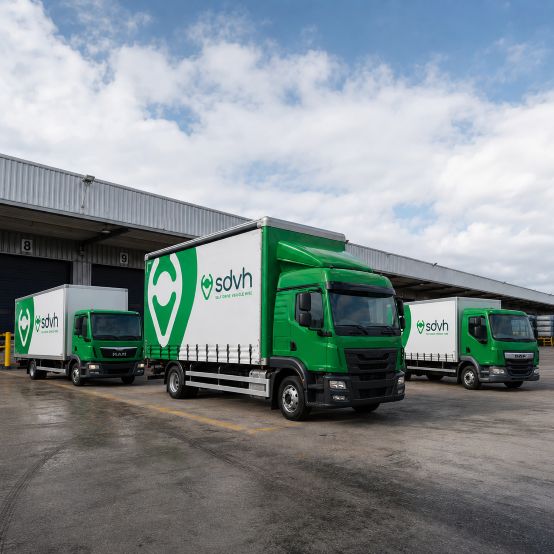
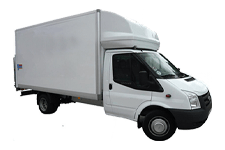
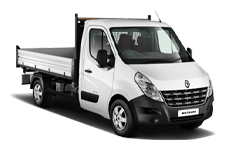
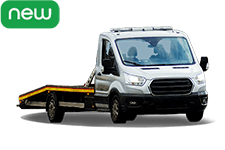
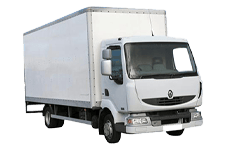
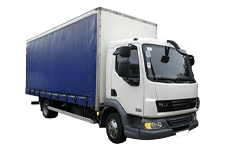
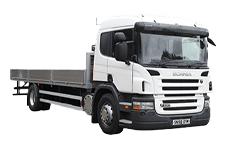
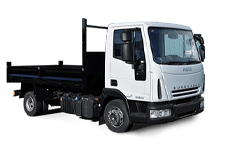
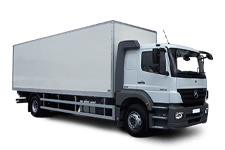
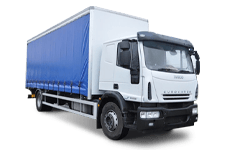
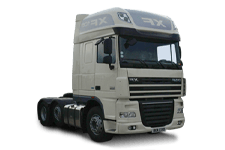
Which commercial vehicle suits you depends on the size of the load, any route restrictions and who will be driving. The smaller 3.5T options can suit many bulky moves, whereas 7.5T and heavier vehicles need closer checks on entitlement, operator requirements and delivery access. Subject to dates, driver details and availability, the range includes the Ford Luton 3.5 Tonne Box with Tail Lift, 3.5 Tonne Tipper Transit Truck, 3.5 Tonne Recovery Truck, 7.5 Tonne Box Truck With Tail Lift and 7.5 Tonne Curtain Side Truck. Because the exact make, model, transmission, seats, payload and licence position are confirmed at the quote stage, use the vehicle examples as a guide to the type of hire on offer rather than as a guaranteed booking of a specific model.
Thinking About Volume and Weight Separately
When you have a large load to move, it can help to treat the space it takes up and how much it weighs as two different questions. A pallet of insulation boards may fill a modest area yet weigh very little, whereas compressed machinery parts could be small but heavy. Before contacting the team, gather whatever volume information you can, perhaps from the footprint of your items or from delivery paperwork, and then try to obtain a weight figure, either from documentation or by asking the supplier. Recording both numbers, even as rough estimates, gives the hire team something to assess. If either figure is uncertain, say so when you ask about vehicle class, since an open question may affect the answer you receive about suitable options.
Planning Your Return and Unloading Window
Suppose your delivery slot at the destination is fixed for mid-morning. In that situation, working backwards through the day can clarify what needs confirming. Note the time items must arrive, how long the destination contact says unloading access remains open, and when the vehicle needs to be back. Ask the receiving site about their entrance arrangements, any booking-in procedure and who will sign for the goods. If the return journey involves a different route from the outbound one, note both. Where the window is tight, having these times written down lets you raise the schedule when discussing hire terms, and any questions about duration or timing can be settled then rather than on the day.
Explore other truck hire areas
What to confirm on the phone
Before the hire is confirmed, check the main details: availability of the vehicle, what is required of drivers, mileage, insurance, delivery or collection arrangements and any extras requested. Weight, body style, mileage, cross-border use, driver status and commercial purpose can all alter truck terms, so these points should be checked before a vehicle is reserved. When making a request, include the date, how long you need the vehicle, the approximate route, the delivery or pickup address, the expected passengers or load, and any special requirements that could affect which vehicle is suitable.